Blue Seafood Guide
A number of fish stocks that are being depleted is increasing due to rising sea temperatures caused by global warming, overfishing and IUU fishing (Illegal, Unreported and Unregulated). According to the UN agency FAO, fish stocks, fished at unsustainable levels, account for approximately 37.7% of the total.*1The state of Japan's fisheries resources is even more serious, with 48.9% of the total fish stocks under concern of its sustainability.*2
However, it is known that with proper fisheries management, drastically depleted fish stocks can also recover. For example, it has been reported that Atlantic bluefin tuna and Pacific bluefin tuna, which had once been listed as endangered species, have successfully recovered in a short period of time as a result of strict, science-based fisheries management, mainly by the international organisation RFMOs *3, in cooperation with other countries.
The BSG is based on the idea that prioritised consumption of sustainable seafood promotes the recovery of depleted seafood stocks while supporting the fishing industry as a whole. By listing only recommended seafood, the BSG is a positive program to protect marine resources and increase sustainability while having fun.
The selection of sustainable seafood is based on the principles of the FAO Code of Conduct for Responsible Fisheries and our own scientifically defined methodology in line with international standards. The FAO agrees with the UN's Sustainable Development Goals (SDGs), SDG 14: ‘Life below water’, and aims to achieve a sustainable society. The BSG has been selected as an advanced case study by the United Nations Decade of Ocean Science for Sustainable Development (2021-2030). *4
With the motto ‘Delicious, fun and earth-friendly’, the BSG provides knowledge and information to help people make sustainable choices. Let’s give the oceans a break by prioritising abundant, delicious and environmentally friendly Blue Seafood so that we can pass on the healthy oceans to the future generations.
*1 FAO (Food and Agriculture Organization of the United Nations) https://openknowledge.fao.org/items/06690fd0-d133-424c-9673-1849e414543d
*2 Fishery Agency of Japan https://www.jfa.maff.go.jp/j/kikaku/wpaper/r05_h/trend/1/t1_3_1.html
*3 RFMOs (Regional Fisheries Management Organizations) https://www.un.org/oceancapacity/content/rfmoas-map
*4 United Nations Decade of Ocean Science for Sustainable Development 2021-2030 https://oceandecade.jp/ja/refs/activity/ver1/productive-ocean/2/
Selection criteria for Blue Seafood
The selection criteria for Blue Seafood are as follows. All are based on a rigorous, science-based assessment of the principles for demonstrating sustainability, 1 stock status, 2 ecological impact and 3 management systems.1 Seafood that has passed Blue Seafood Choice's sustainability assessment criteria.
2 Seafood selected as Best Choice in Seafood Watch published by the Monterey Bay Aquarium, USA, and available in Japan.
3 Seafood from fisheries certified by the Marine Stewardship Council (MSC, Headquarter/UK) that is available in Japan.
4 Fish and shellfish from aquaculture farms certified by the Aquaculture Stewardship Council (ASC, Headquarters/Netherlands) that are available in Japan.
※ Sailors for the Sea Japan is an official partner of Seafood Watch, the Monterey Bay Aquarium in the USA, which has an internationally renowned reputation for its marine resource assessment.
※ The BSG is a charter member of the Global Seafood Ratings Alliance (GSRA), which consists of representative seafood rating programmes from around the world. The GSRA has established a Minimal Viable Standard, which provides a uniform minimum line of assessment criteria. Rating programmes that are members of GSRA adhere to principles in accordance with the UN FAO Code of Conduct for Responsible Fisheries, which are agreed by national programmes to meet uniform international standards.
Blue Seafood Guide 2026
-
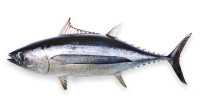
- Albacore
-
 Fish in Japan
 MEIHO Co., Ltd. / OWASEBUSSAN Co.,Ltd. / Fukuichi Fishery Co.,Ltd. / Katsuo Ippon-zuri Gyogyo Co., Ltd. / Kochi & Miyazaki Pole and Line Fishing
-
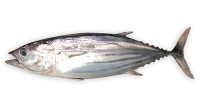
- Skipjack
-
Fish in Japan
MEIHO Co., Ltd. / ITOCHU Corporation / Kyowa Fishery co.,ltd.+MEIHO Co., Ltd. / TAIYO A&F CO.,LTD/ Katsuo Ippon-zuri Gyogyo Co., Ltd. / Kochi & Miyazaki Pole and Line Fishing
-

- Yellowfin tuna
-
Fish in Japan
OWASEBUSSAN Co.,Ltd. / ITOCHU Corporation / Fukuichi Fishery Co.,Ltd. / Kyowa Fishery co.,ltd.+MEIHO Co., Ltd. / TAIYO A&F CO.,LTD
-
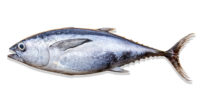
- Atlantic bluefin tuna
-
Fish in Japan
USUFUKUHONTEN co., ltd.
-
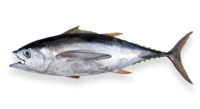
- Bigeye tuna
-
Fish in Japan
OWASEBUSSAN Co.,Ltd. / Fukuichi Fishery Co.,Ltd.
-
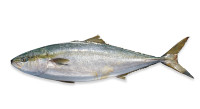
- Yellowtail(farming)
-
Fish in Japan
 Global Ocean Works / KUROSE SUISAN CO.,LTD. / Maruha Nichiro Corporation / Azuma-Cho Fisheries Cooperative / Kaijin Trading, Co., Ltd.
-
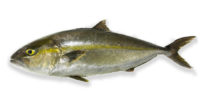
- Greater amberjack(farming)
-
Fish in Japan
Maruha Nichiro Corporation
-

- Japanese jack mackerel
-
Fish in Japan
 Origin: Hokuriku ,Sanin, Kyushu
-

- Chilean jack mackerel
-
-

- Chub mackerel
-
Fish in Japan
Origin: Hokuriku ,Sanin, Kyushu
-
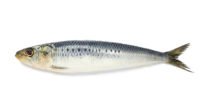
- Japanese sardin
-
Fish in Japan
Eastern Hokkaido, Sanriku, and Tokiwa
-
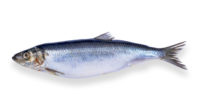
- Atlantic herring
- Atlantic herring
-
-
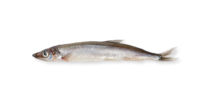
- Capelin
-
|Origin: Iceland
-
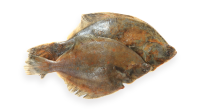
- Alaska Sole
-
|Origin: Alaska
-
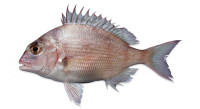
- Red seabream(farming)
-
Fish in Japan
DAINICHI Corporation / Azuma-Cho Fisheries Cooperative-Shishimaru Suisan / Kumamoto Seawater Aquaculture Fishery Cooperative Association / Kinoshita Suisan Co.Ltd.
-
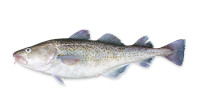
- Pacific cod
-
|Origin: Alaska
-
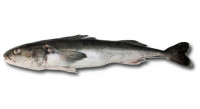
- Sabelfish
-
|Origin: Alaska
-
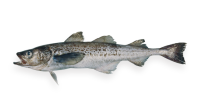
- Walleye pollack
-
|Origin: Alaska
-
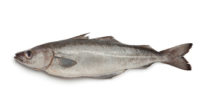
- Saithe
-
-
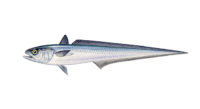
- Hoki
-
|Origin: New Zealand
-
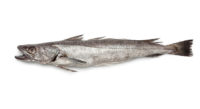
- Hake
-
-
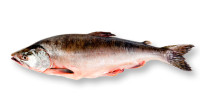
- Pink salmon
-
|Origin: Alaska
-
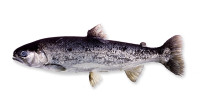
- Coho salmon
-
Fish in Japan
Marukin inc. / Yumigahama Suisan Kaisha,Ltd. / Izumisawa-Suisan Co.Ltd.
-
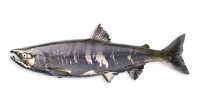
- Chum salmon
-
|Origin: Alaska
-
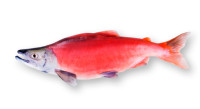
- Sockeye salmon
-
 | |Origin: Alaska
-
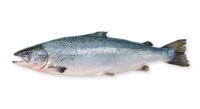
- Atlantic salmon (farming)
-
-
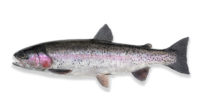
- Salmon trout (farming)
-
Fish in Japan
Japan Salmon Farm Inc. / FRD JAPAN CO.,LTD
-

- Rainbow trout (farming)
-
Fish in Japan
FUKUI CHUO-UOICHI CO.,LTD.
-

- Cherry salmon (farming)
-
Fish in Japan
Izumisawa-Suisan Co.Ltd.
-

- Chinook salmon
-
-
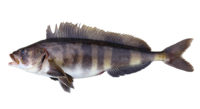
- Atka mackerel
-
-
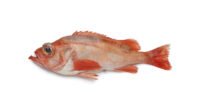
- Rose fish
-
|Origin: Iceland
-

- Northern rockfish
-
-
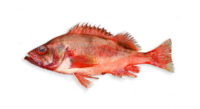
- Pacific Ocean perch
-
-
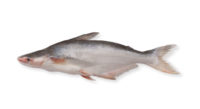
- Pangasius (farming)
-
-
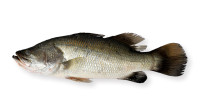
- Barramundi (farming)
-
-
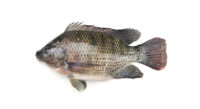
- Tilapia (farming)
-
-
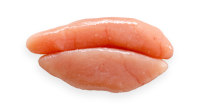
- Alaska pollack roe
-
|Origin: Alaska
-
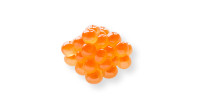
- Ikra (Chum salmon, Sockeye salmon, and Pink salmon roe)
-
-
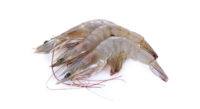
- Whiteleg shrimp (farming)
-
-
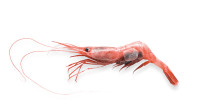
- Deepwater prawn
-
-

- Antarctic krill
-
-
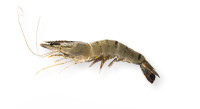
- Black tiger prawn (farming)
-
-
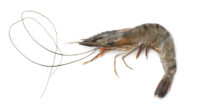
- Brown tiger prawn
-
-
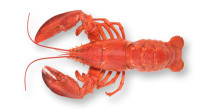
- Lobster
-
-
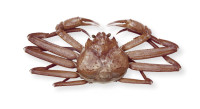
- Snow crab
-
Fish in Japan
Origin: Alaska| |Origin: Hokuriku and Kinki
-

- Red king crab
-
Origin: Alaska
-
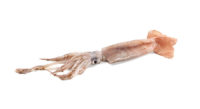
- Northern shortfin flying squid
-
-
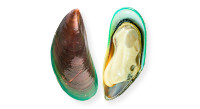
- Mussel (farming)
-
|
-
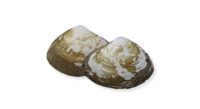
- Surf clam
-
-
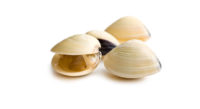
- lyrate Asiatic hard clam (farming)
-
-
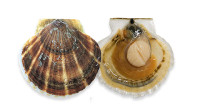
- Scallop
-
Fish in Japan
|Hokkaido Federation of Fisheries Cooperative Associations
-
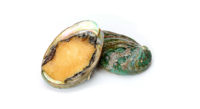
- Abalone (farming)
-
|
-
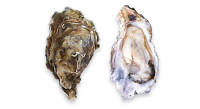
- Oyster (farming)
-
Fish in Japan
|Maruto Suisan Co.,Ltd.|Miyagi Prefecture Fisheries Cooperative Association -Tokura Branch / 3 branches in Ishinomaki / FARM SUZUKI CO.,LTD
-
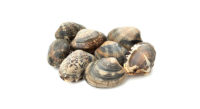
- Japanese littleneck clam (wild-caught/farming)
-
|
-
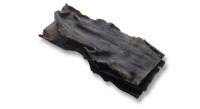
- Sugar kelp (farming)
-
Fish in Japan
|Jusanhama, Miyagi Prefecture
-
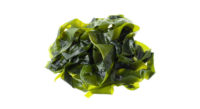
- Wakame (farming)
-
Fish in Japan
|Jusanhama, Miyagi Prefecture
-
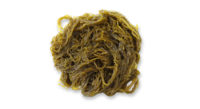
- Mozuku (farming)
-
Fish in Japan
-
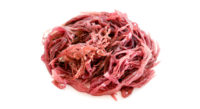
- Mirin (farming)
-
Fish in Japan
-
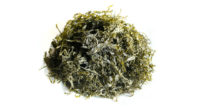
- Habanori (farming)
-
Fish in Japan
-
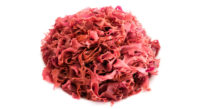
- Tosakanori
- Tosakanori (farming)
-
Fish in Japan
-
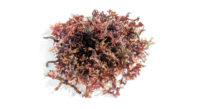
- Yumigataogonori (suuna)(farming)
-
Fish in Japan
-

- Atsubaaosa (land-based aquaculture)
-
Fish in Japan
-
mini-200x109.jpg)
- Chlorella (land-based aquaculture)
-
Fish in Japan
Euglena Co.,Ltd.
-

- Euglena (land-based aquaculture)
-
Fish in Japan
Euglena Co.,Ltd.
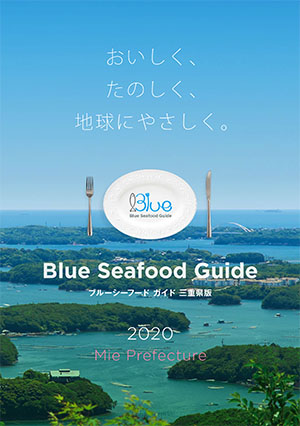
Mie Prefecture Edition of the Blue Seafood Guide
Mie Prefecture and Sailors for the Sea Japan have a comprehensive agreement. As part of this initiative, we have published Japan's first regional edition of the Blue Seafood Guide. Please see the following page for more information about the Mie Prefecture Edition of the Blue Seafood Guide.→Mie Prefecture Edition of the Blue Seafood Guide
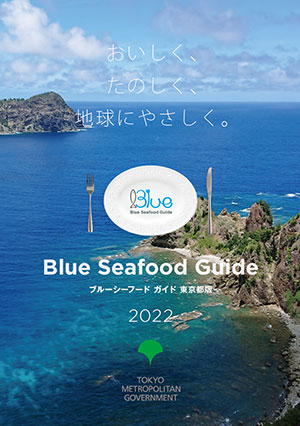
Tokyo Metropolitan Edition of the Blue Seafood Guide
Tokyo Metropolitan and Sailors for the Sea Japan have a comprehensive agreement. As part of this initiative, we have published the regional edition of the Blue Seafood Guide. Please see the following page for more information about the Tokyo Metropolitan Edition of the Blue Seafood Guide.→Tokyo Metropolitan Edition of the Blue Seafood Guide
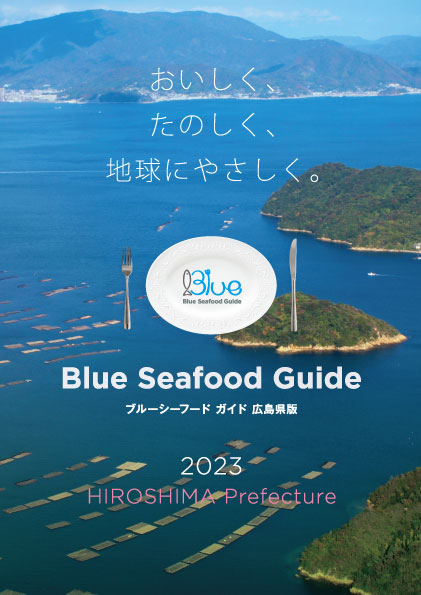
Hiroshima Prefecture Edition of the Blue Seafood Guide
Hiroshima Prefecture and Sailors for the Sea Japan have a cooperation agreement. As part of this initiative, we have published the regional edition of the Blue Seafood Guide. Please see the following page for more information about the Hiroshima Prefecture Edition of the Blue Seafood Guide.→Hiroshima Prefecture Edition of the Blue Seafood Guide

Kyoto Prefecture Edition of the Blue Seafood Guide
Kyoto Prefecture and Sailors for the Sea Japan have a comprehensive agreement. As part of this initiative, we have published the regional edition of the Blue Seafood Guide. Please see the following page for more information about the Kyoto Prefecture Edition of the Blue Seafood Guide.→Kyoto Prefecture Edition of the Blue Seafood Guide
- Seafood Watch Best Choices
- This is an authoritative programme by the Monterey Bay Aquarium, USA, to promote the sustainable consumption of seafood. Seafood is classified into three levels - green, yellow and red - based on an assessment of stock levels, fishing methods and impact on the marine environment, representing ‘recommended, intermediate and don't eat’. Sailors for the Sea Japan is an official partner of Seafood Watch. The BSG includes a selection of items found in Japan from Seafood Watch's ‘Recommendations.’
- Marine Stewardship Council
- The M mark indicates that the fishery is MSC certified (only certified fisheries in Japan are listed). Choosing seafood with the MSC ‘marine ecolabel’, which is proof that it has been caught by MSC-certified sustainable fisheries, is a way of preserving marine resources for future generations.
- Aquaculture Stewardship Council
- Established in 2010, headquartered in the Netherlands. International non-profit organisation dedicated to reducing environmental impact and promoting responsible aquaculture seafood. ASC certification is the aquaculture version of MSC certification, the ‘marine ecolabel’. Choose aquaculture products with ASC certification.
- Blue Seafood Choices
- Since 2018, the BSG has assessed Japan's marine resources using a unique methodology based on international standards for measuring the sustainability of fisheries and recommends them as Blue Seafood Choices. As Japan's oceans become richer, the number of Blue Seafood Choices will also increase. Since 2020, we have used the same methodology to evaluate and introduce good practices from overseas.
- Fish caught in Japanese waters have the Japanese flag. With solid fisheries management and stock recovery, the number of sustainable and delicious fish with the rising-sun logo would likely increase.

- Global Seafood Rating Alliance
- The BSG has formed alliances with some of the world's best-known seafood rating programmes, including Seafood Watch in the USA, the Marine Conservervation Society in the UK, which was adopted at the London Olympics, and Mr Good Fish in France. As a charter member of GRSA, the BSG operates as the only programme of its kind in Asia and promotes sustainable seafood.
A printable BSG is available. Please use it at home, in the classroom, among friends, etc.

Please refer to the Blue Seafood Guide methodology below


